
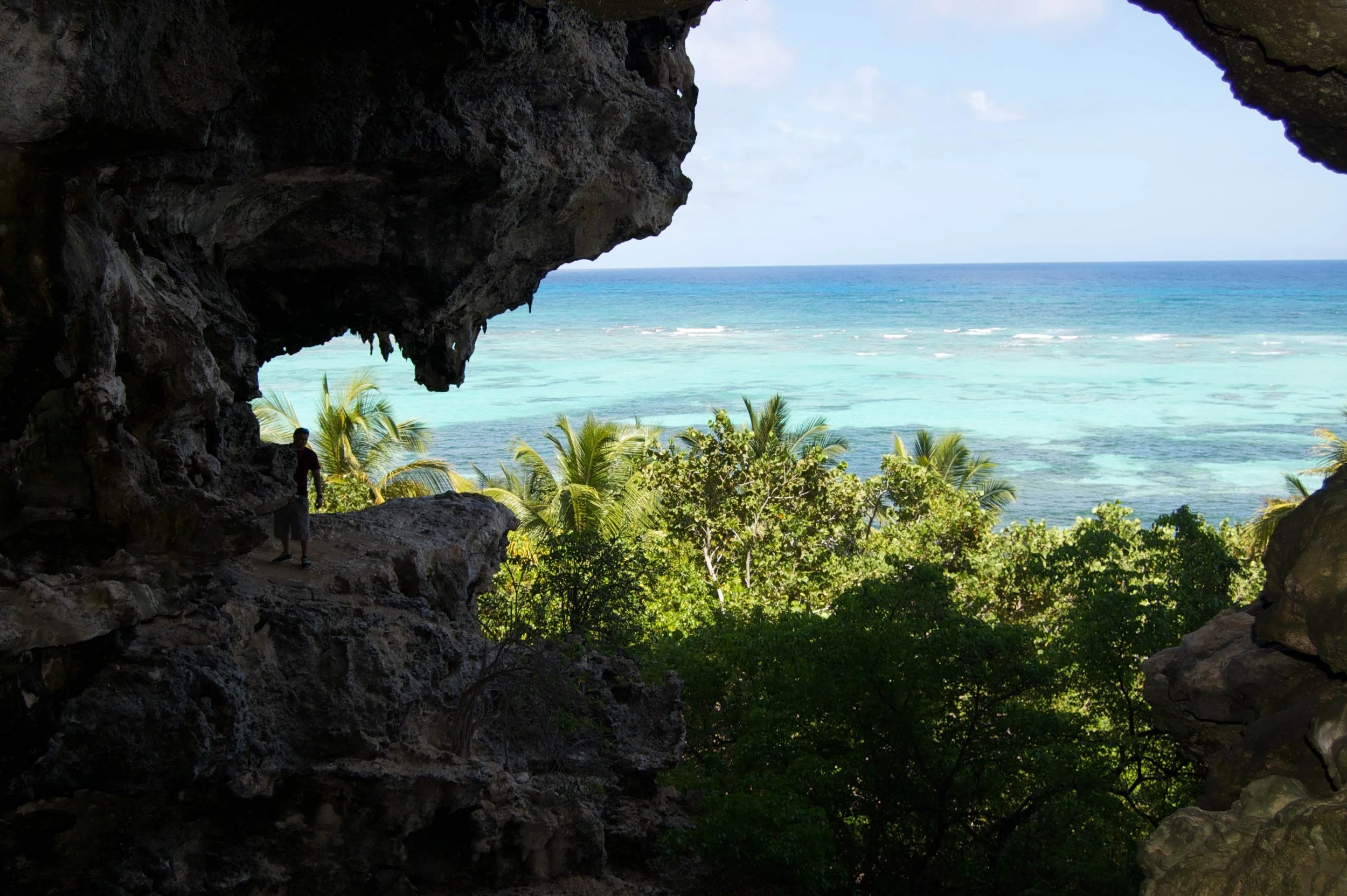
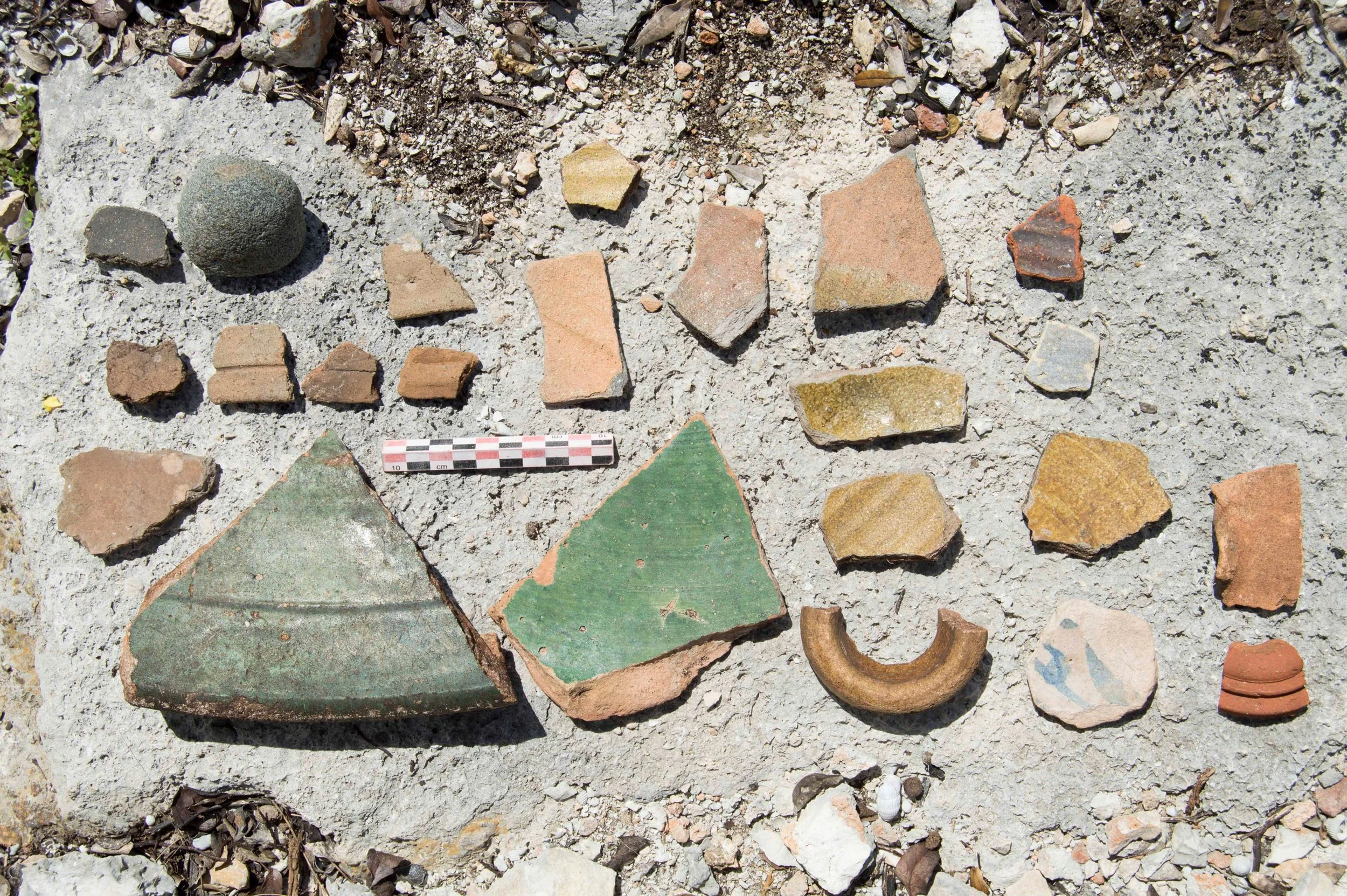
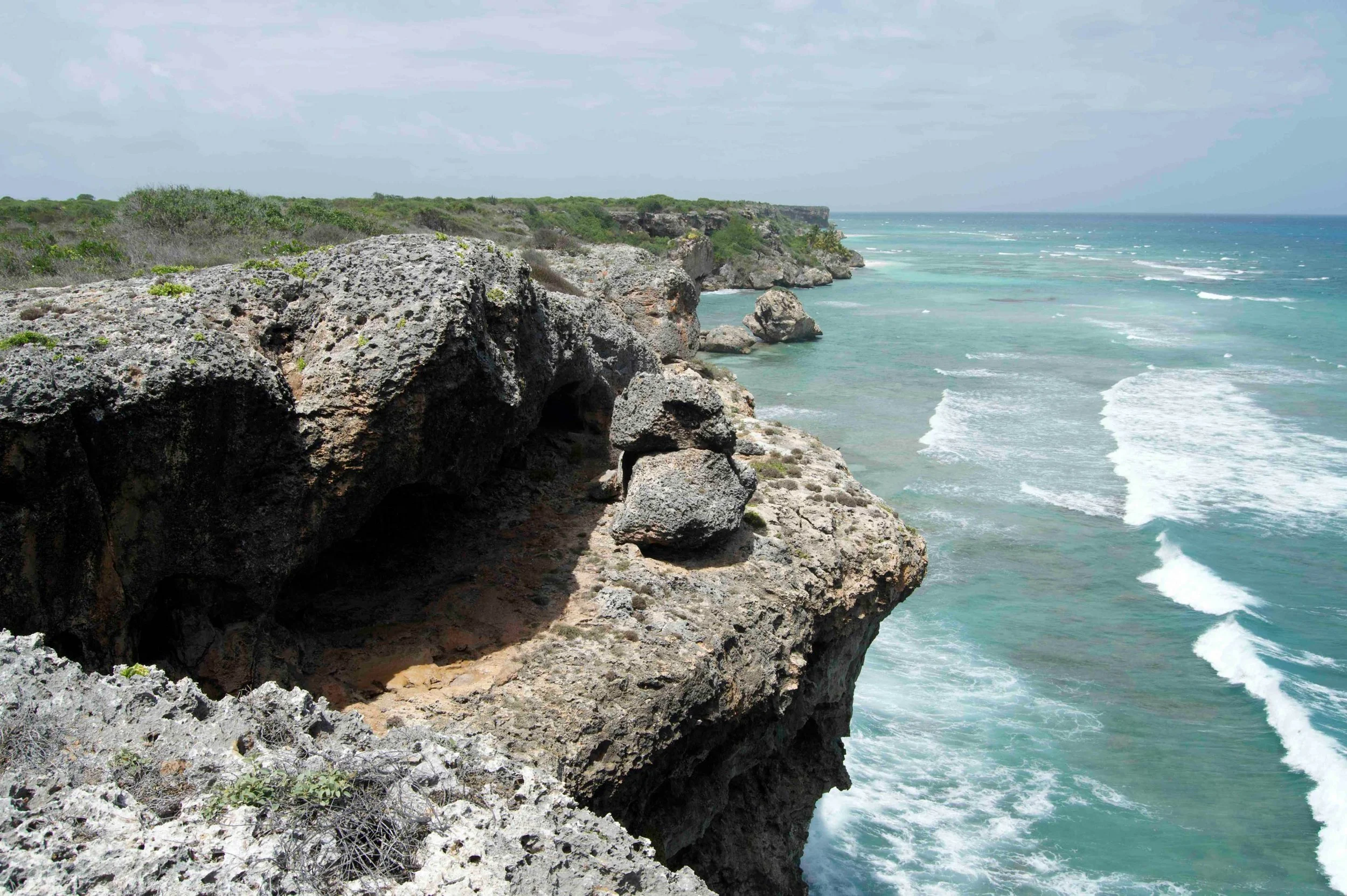
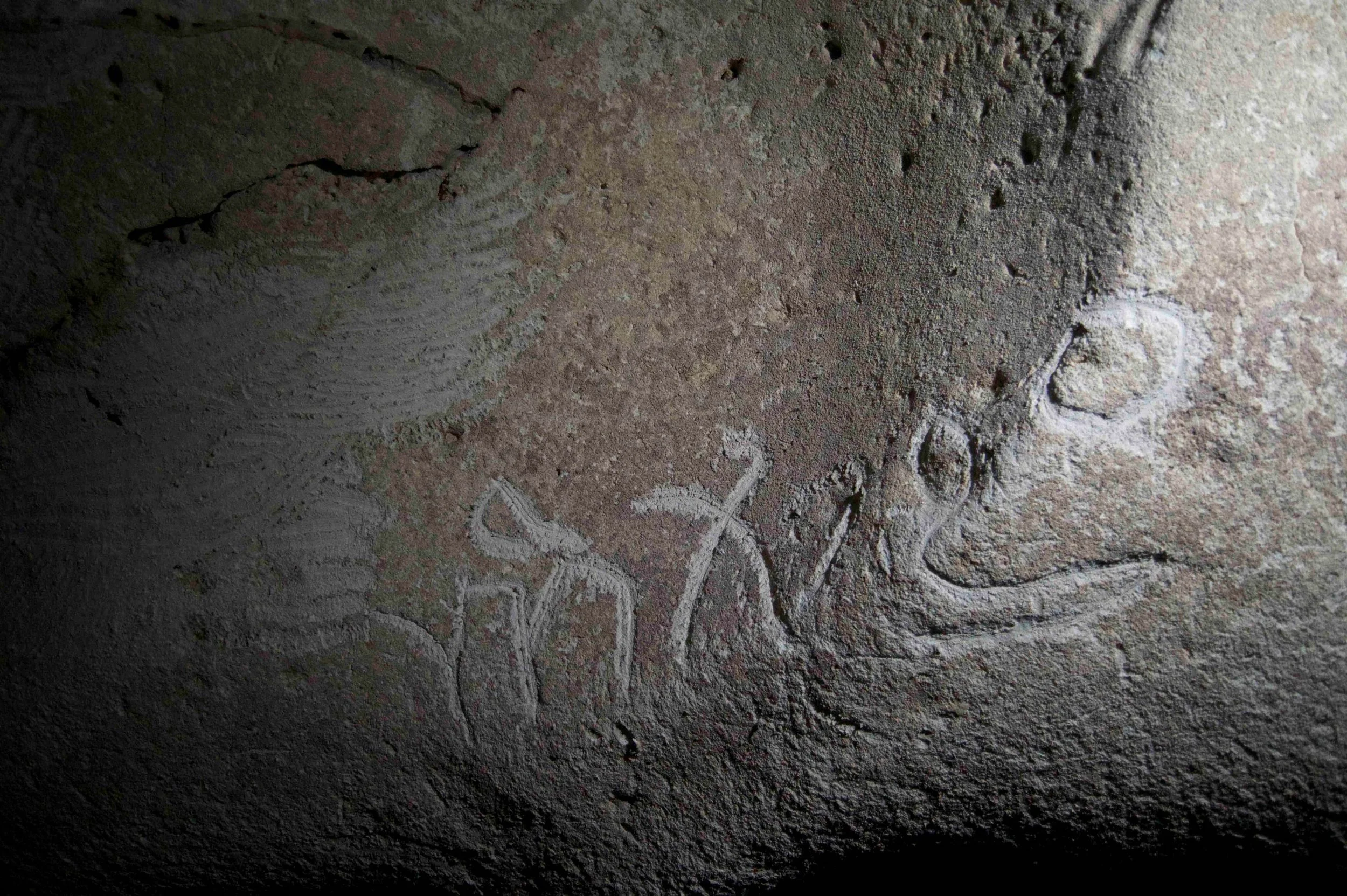
Many New Worlds: A century of transformations in the post-Columbian Caribbean investigates how material culture can tell an alternative story to history, in the re-telling of Caribbean global encounters in the 15th and 16th Centuries. This project gives focus to the first one hundred years of early colonial transformations and particularly the ways European, African, and Indigenous American worlds became entangled. A focus on everyday concerns of food, bodies, and beliefs provides a very different narrative to traditional text-based interpretations.
New worlds emerged within the first generations of Spanish invasion of the Caribbean. Rather than a local event with inevitable conclusions, diverse processes of survival, experimentation, and resistance reciprocally made Europe, Africa, and the Americas. This project brings a series of remarkably preserved sites of intercultural encounter together with a cross-disciplinary team of Caribbean experts to address the construction of the Caribbean and wider colonial world. The main question of our project is: How did diverse communities experience and create a radically new post-Columbian world?
This question is addressed through three themes: food, bodies, and beliefs. Not just what were people eating? What were people wearing? What were people thinking? But also what constitutes food, and who and what can eat and be eaten? What kinds of human, animal, and other bodies emerged? And how new practices and beings redefined fundamental ideas about life in this period. In the Caribbean, new cuisines were emerging, rural and urban environments were transformed by new animal and human bodies, and communities thrashed out beliefs in new religious places. Yet these fundamental transformations are deliberately denied in the main contemporary and historical sources. For example, Columbus asserted that Indigenous Caribbean people had no religion, that non-Christian bodies could be enslaved, and that the islands were spontaneously fertile even as colonists starved.
This project centres processes in which new arrivals from Europe were soon eating local foods, wearing Indigenous clothing, and redefining the foundations of their religions and identities. The fundamental reworking of foods, bodies, and beliefs reveals multiple competing visions of life, as well as new and irreversible relations, which significantly differ from conventional and popular understandings of how 1492 unfolded.
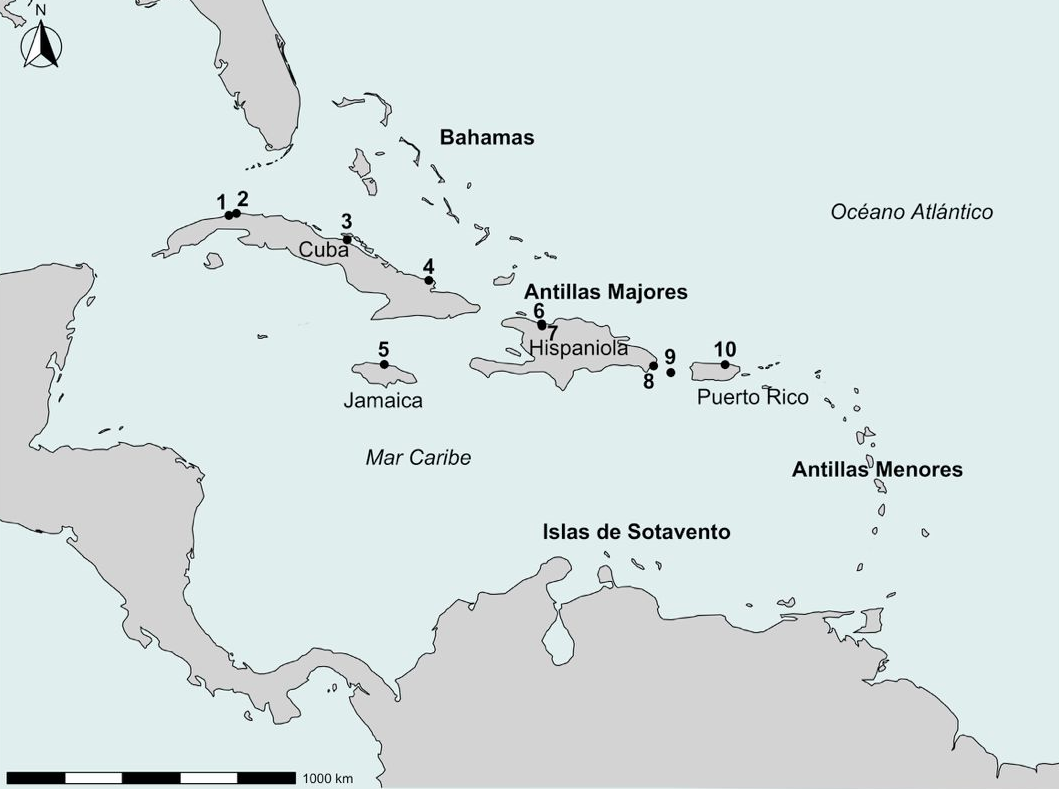
1 La Habana
2 Guanabacoa
3 Los Buchillones
4 El Chorro de Maíta
5 Sevilla de la Nueva
6 En Bas Saline
7 Puerto Real
8 El Cabo
9 Isla de Mona
10 San Juan
Map made in RStudio (Posit Team 2025) using ggplot2, ggspatial, rnaturalearth, and sf packages