

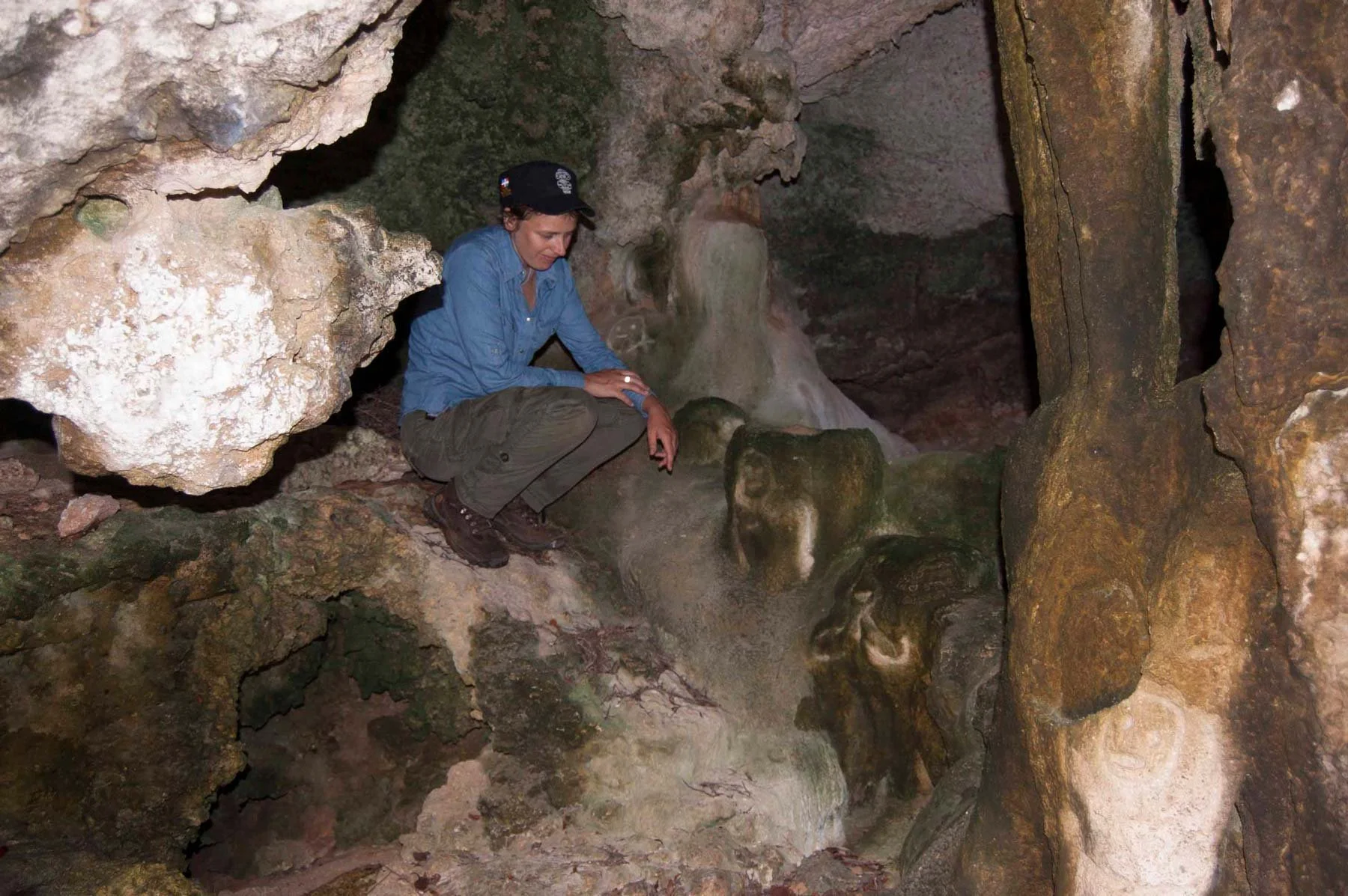
Dr Alice Samson
I am associate professor in Archaeology at the University of Leicester. I am a Caribbeanist not from the Caribbean, with more than 20 years’ commitment to researching and teaching precolonial and early colonial Caribbean history through collaborative archaeological fieldwork. I carried out doctoral research on the household archaeology of the Dominican Republic. I have continued to work on Indigenous sites in precolonial and colonial contexts in the Greater Antilles, particularly the Mona Passage area, traditionally seen as the heartland of the classic Taino. Since 2013 Jago and I have directed fieldwork on Isla de Mona, Puerto Rico, in collaboration with the Institute of Puerto Rican Culture (ICP), the Department of Natural and Environmental Resources of Puerto Rico (DNER/DRNA), and with local students. Mona is now one of the key sites in the many New Worlds project. The project team is investigating the transformation of the Indigenous Caribbean and emergence of new transatlantic and colonial worlds through the archaeology of caves, rockart, and settlement sites on the island.
avms1 (at) leicester.ac.uk
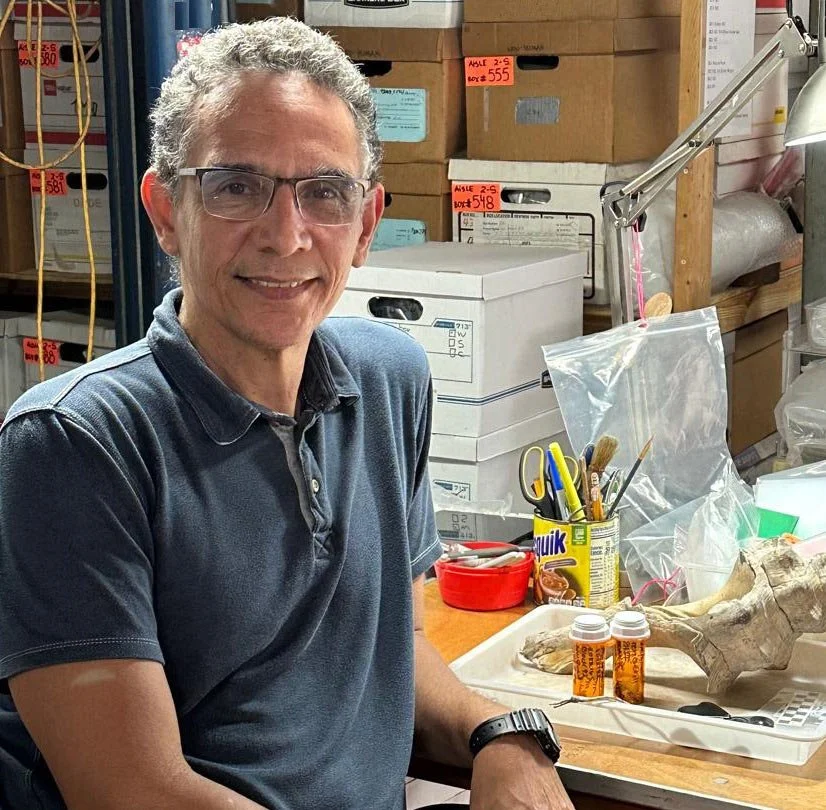
Dr Roberto Valcarcel Rojas
Associate researcher. Centro Cultural Eduardo León Jimenes. Dominican Republic.
Archaeologist. Archaeological and Historical Conservancy, Inc. United States.
I am an archaeologist specializing in the Indigenous and historical archaeology of the Caribbean. My research integrates settlement and mortuary archaeology with museum collections analysis, documentary sources, and materials-science approaches. I focus primarily on the Greater Antilles—particularly Cuba, Santo Domingo, and Puerto Rico—and on the networks linking these islands to neighboring continental regions, including areas of Mexico, Colombia, and Florida. I investigate long-term processes of social change, with particular attention to relationships among Indigenous peoples, Africans, and Europeans. My scholarship examines the formation of colonial societies, systems of labor exploitation and enslavement, and the legacies of colonialism, alongside enduring Indigenous and African cultural contributions to Caribbean societies.
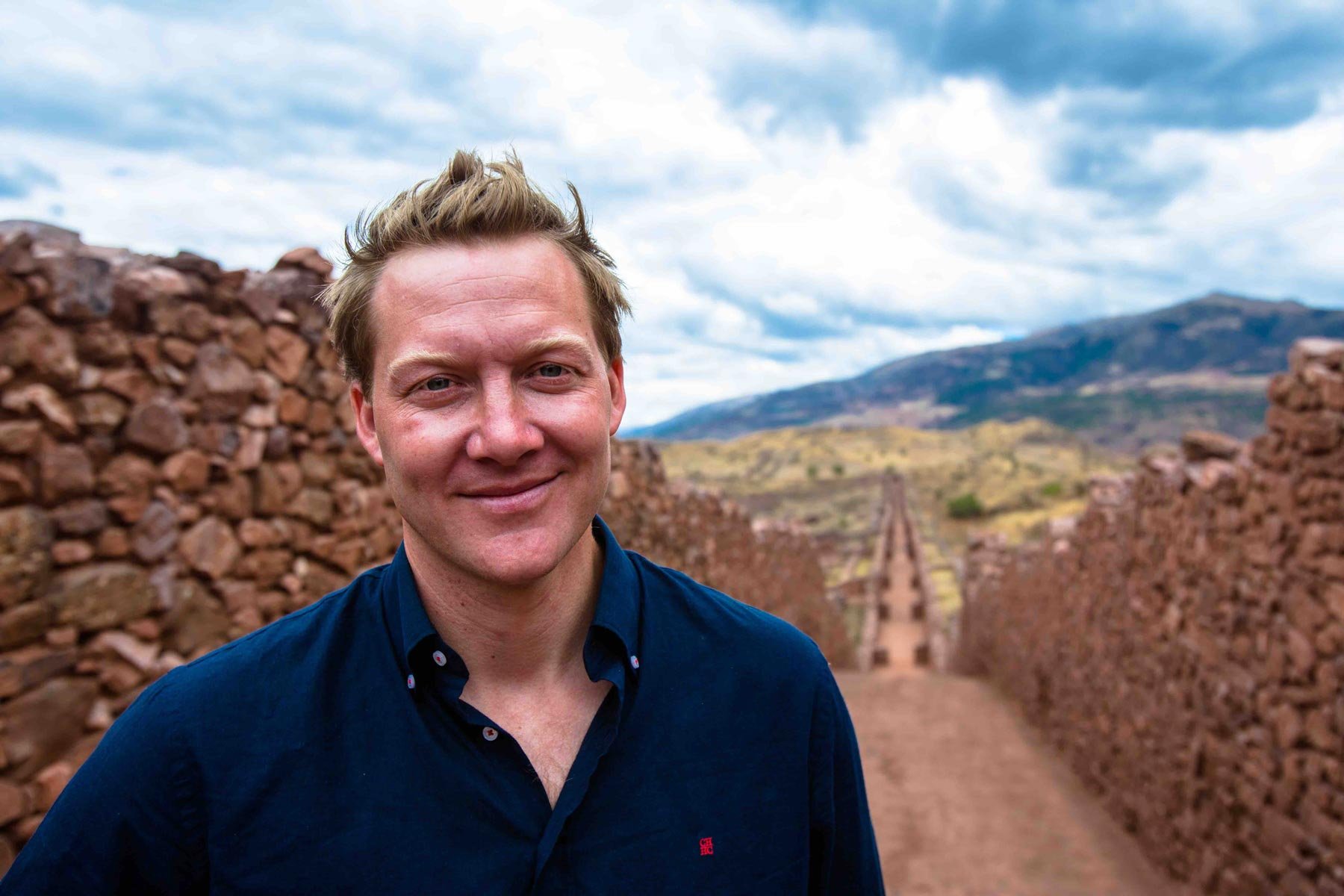
Dr Jago Cooper
Jago Cooper is Executive Director of the Sainsbury Centre and Professor of Art and Archaeology at the University of East Anglia. For more than twenty years, Jago has worked for and with museums, universities and heritage organisations around the world to explore and communicate aspects of the great human story. His books and publications provide innovative perspectives on cultural experience and interpretation of material expression. His research has ranged broadly across universal questions facing global society including climate change, technological revolution and social innovation. Jago’s recent publications include Living Art Sharing Stories (2023), Mapping a New Museum (2022), Peru: A Journey in Time (2021)and Arctic: Culture and Climate (2020). Jago has always worked hard to engage a broader audience, creating exhibitions, digital platforms and broadcast media including writing and presenting more than a dozen documentaries for the BBC. The Sainsbury Centre is a museum renowned for creating a unique perspective on how art can foster cultural dialogue and exchange.
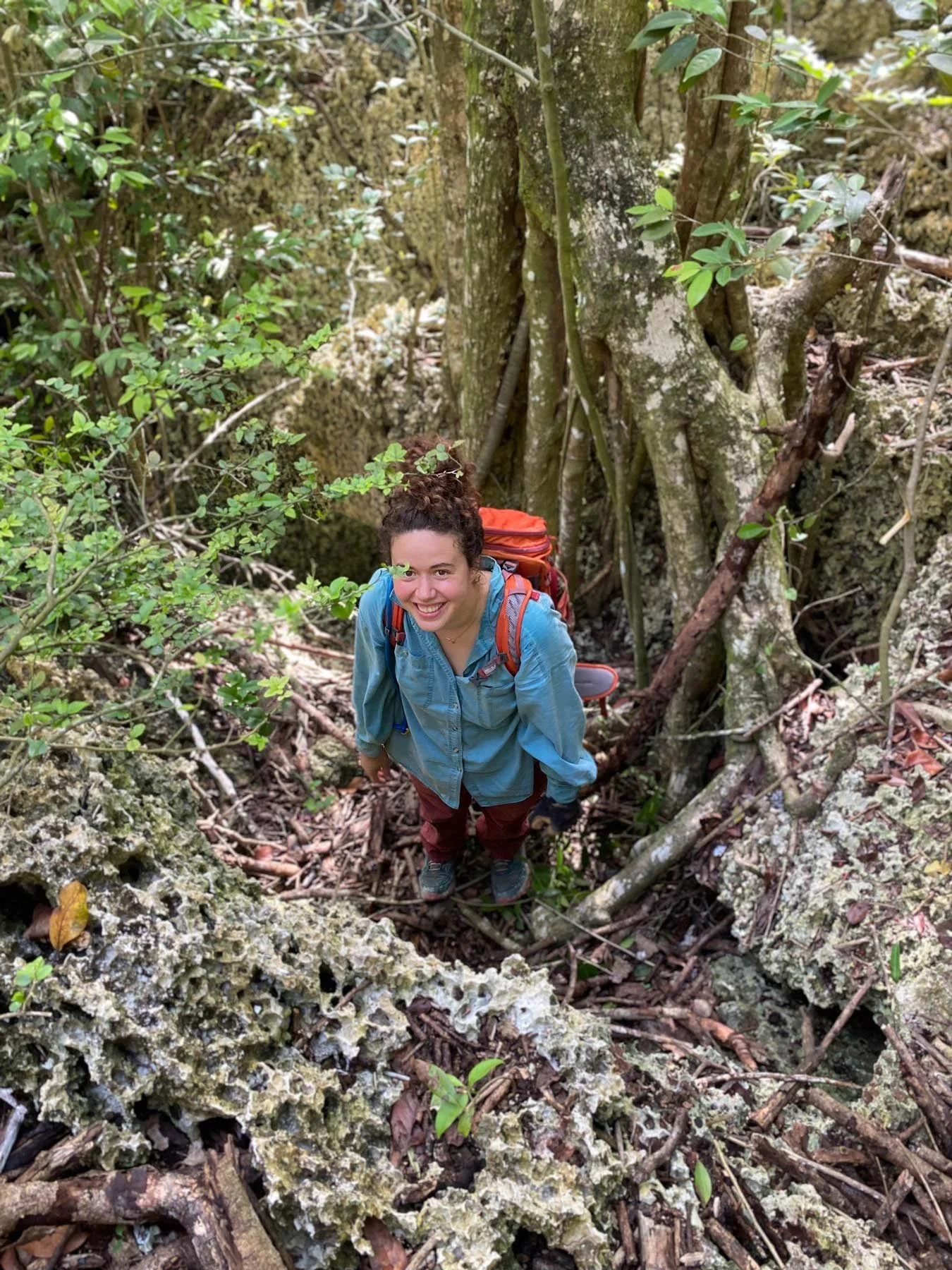
Dr. Sophie Rabinow
I am a Caribbean biomolecular archaeologist with experience in zooarchaeological datasets, biomolecules (ancient DNA on animal bones and sediments, collagen, and lipids), and fieldwork in Curaçao (Curaçao Cultural Landscape Project) and Isla de Mona (Many New Worlds). I am especially interested in translocated fauna and flora and the cultural and environmental impacts of these arrivals on Caribbean contexts. My previous work on Dasyprocta sp. with Christina Giovas and Dongya Yang (Simon Fraser University) applied a zoogeographic and paleogenetic framework to reconstruct human interactions in the pre-colonial Lesser Antilles.
In the context of my current roleas a research associate in zooarchaeology for Many New Worlds, I am working to develop new chronologies of Rattus rattus and Rattus norvegicus in the Caribbean. ZooMS identification (Mike Buckley, University of Manchester) and direct dating (Rachel Wood, University of Oxford) of rodent remains will provide robust new taxonomic IDs and chronologies for introductions. The cultural and environmental impacts of Rattus arrivals will be contextualized through a quantitative zooarchaeological of Greater Antilles fauna. In parallel, I am also in the process of developing a pilot project on ancient and colonial Caribbean dog mitogenomes.
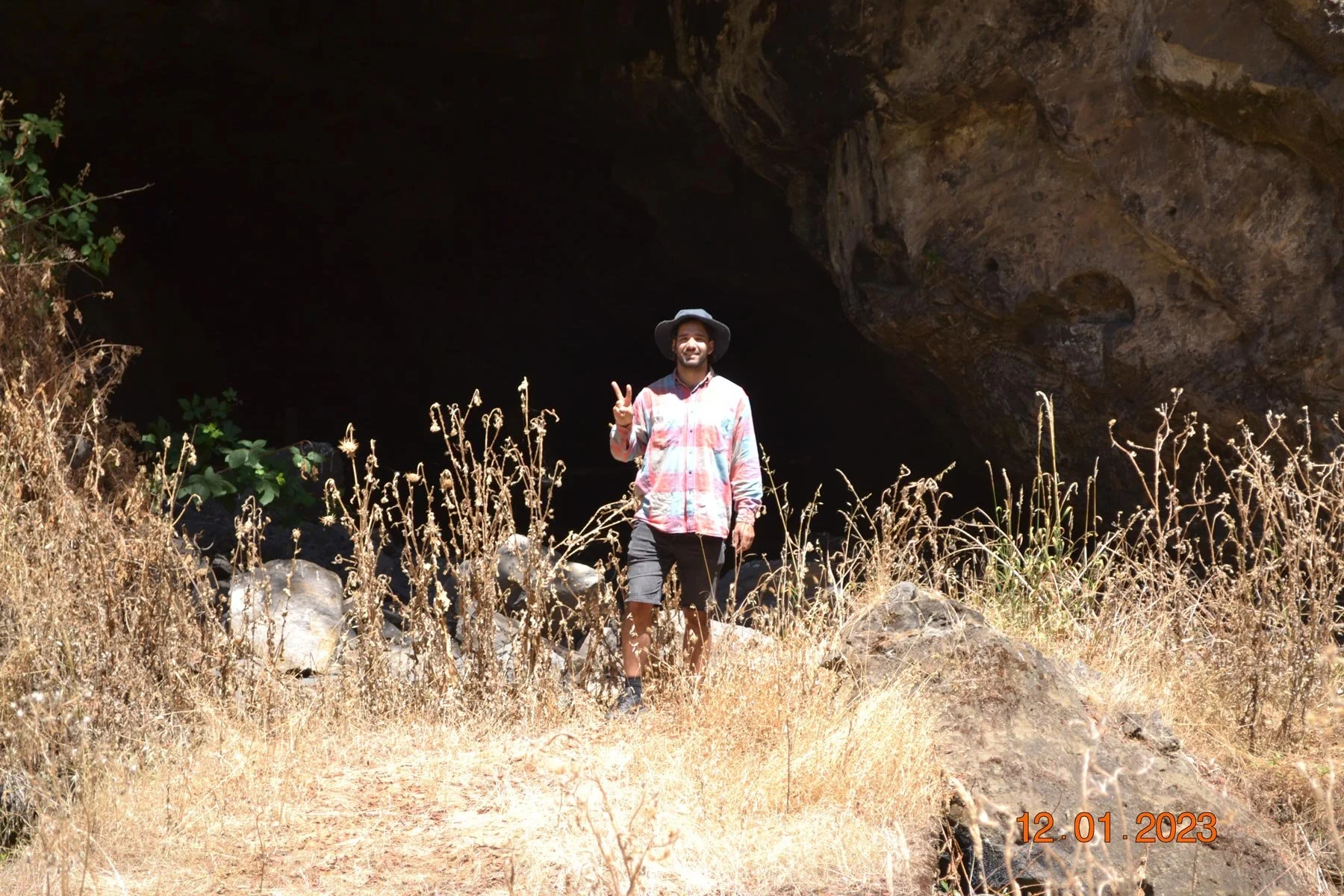
Dr Javier A. Montalvo Cabrera
I am an anthropologist specialised in biomolecular archaeology. My research focuses on pre-colonial and colonial foodways in the Americas using a biomolecular approach that combines molecular and isotopic characterisation of organic residues recovered from pottery containers. Through my expertise, I have collaborated on projects in Chile, Argentina, and Brazil, focusing on commensality and the culinary significance of maize (Zea mays) in pre-colonial South America.
As a Research Associate for the Many New Worlds project, I am interested in the relationship between foodways and the emergence of a new colonial world in the Caribbean. My methodological approach includes the use of molecular and isotopic techniques on archaeological artefacts and animal remains.
Partners and Collaborators
Melisa Santana Frasqueri
Directora del Instituto de Cultura Puertorriqueña
Luis Joel Pérez Rodríguez
MA, Arqueólogo, Programa de Arqueología y Etnohistoria, Instituto de Cultura Puertorriqueña
Rafael Rodríguez
Biólogo, Departamento de Recursos Naturales y Ambientales de Puerto Rico
Glenis Tavárez María
MA, Investigadora de arqueología, Encargada de Biología humana, Museo del Hombre Dominicano
Marcos Octavio Labrada Ochoa
MA, University of Cordoba
Advisory Board
Dr Yvonne Narganes
Centro de Investigaciones Arqueológicas, Universidad de Puerto Rico, Río Piedras
Dr Josué Caamaño-Dones
Centro de Investigaciones Históricas, University of Puerto Rico, Río Piedras
Tony Nieves
Departamento de Recursos Naturales y Ambientales de Puerto Rico
Dra. Lisette Roura Álvarez
Directora del Gabinete de Arqueología de la Oficina del Historiador de la Ciudad de La Habana, Cuba
Dr Ida Altman
Emerita, Dept. of History, University of Florida. Gainesville
Prof. Marcos Martinón-Torres
Pitt-Rivers Professor of Archaeological Science, University of Cambridge
Dr. José R. Oliver
Reader in Latin American Archaeology, Institute of Archaeology-UCL
Dr Kathy Deagan
Distinguished Research Curator in Archaeology Emerita, University of Florida
Dr Lee A. Newsom
Emerita, Dept. of Anthropology, Pennsylvania State University
Governor's House Cultural Center & Museum, Univ. Florida, St. Augustine, USA